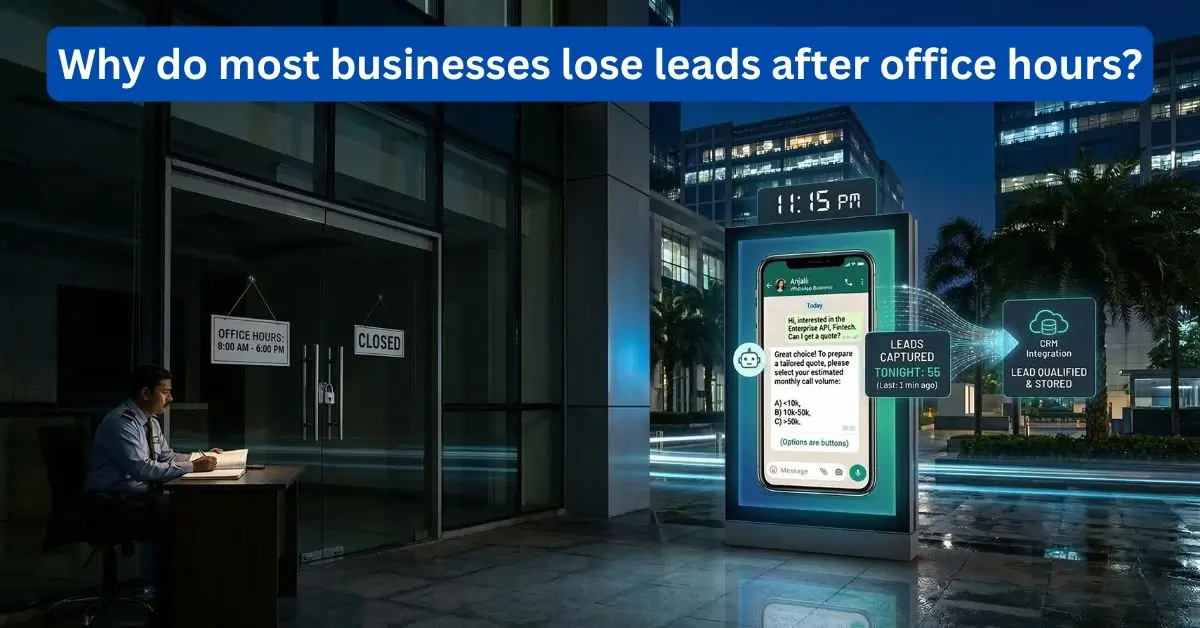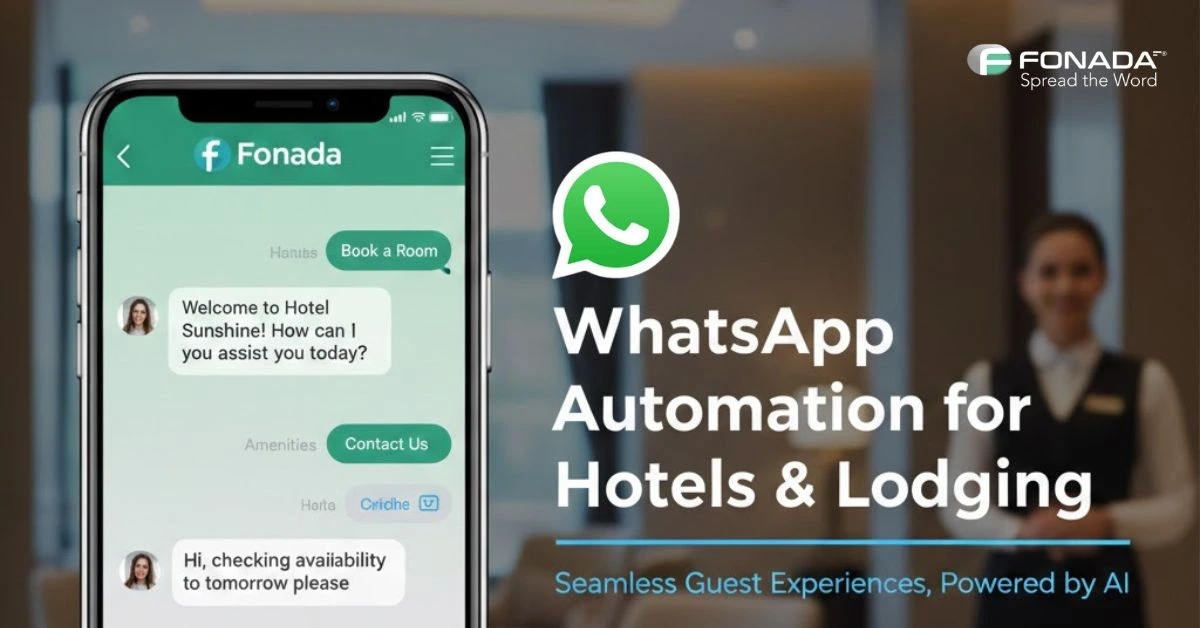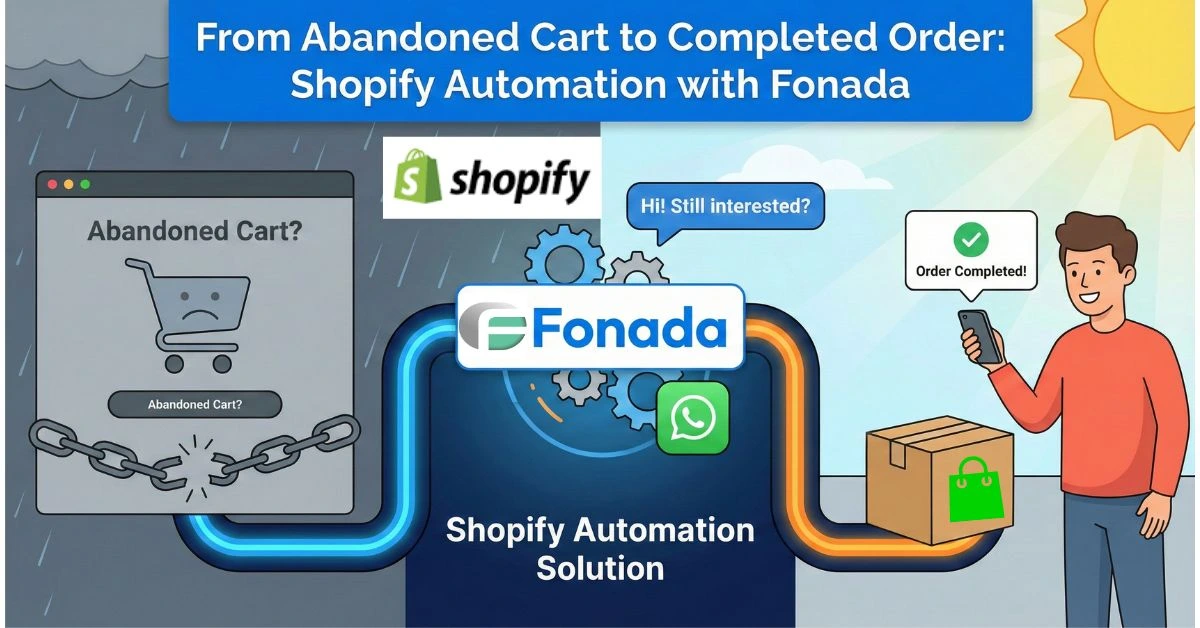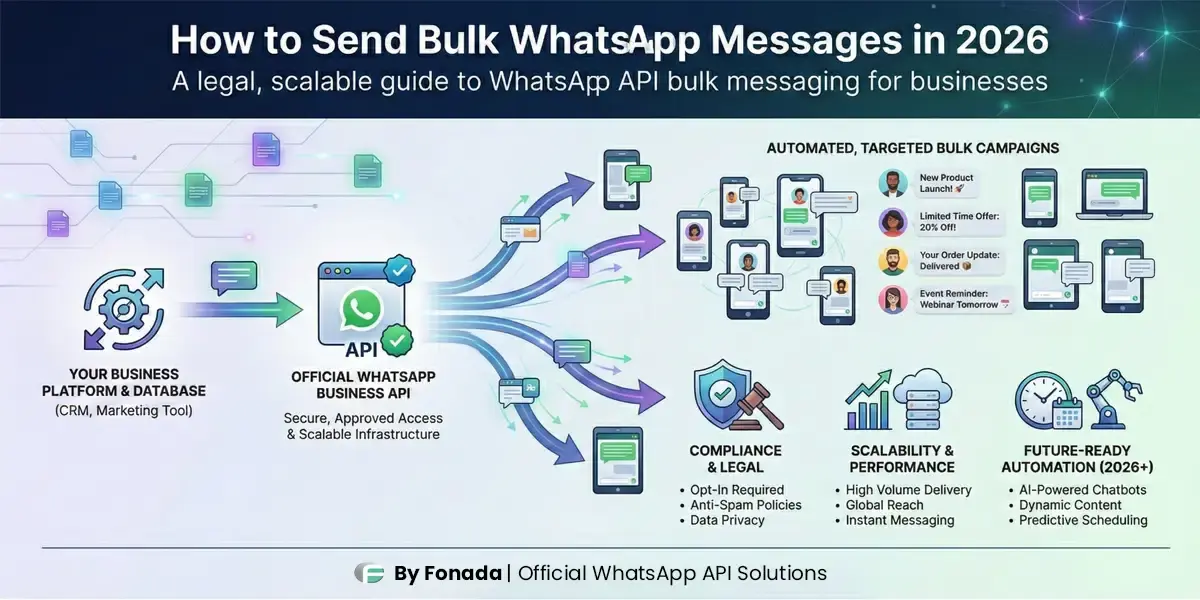
In 2026, bulk WhatsApp messages have become one of the most reliable ways for businesses to connect with customers instantly and personally. Understanding how to send bulk WhatsApp messages the right way is no longer optional, especially when legality and customer trust matter. Many businesses worry about whether WhatsApp bulk messaging is legal, but the answer lies in using WhatsApp API bulk messages with proper user consent and approved templates. When done correctly, businesses can send bulk WhatsApp messages for follow-ups, reminders, and promotions without risking blocks. Unlike random bulk messages sent through unsafe tools, official WhatsApp messages feel natural and conversational. In fact, well-timed WA messages often outperform email and SMS because customers actually read and respond to them. The key is simple: relevance, consent, and the right platform.
If you are running a business in 2026, pause for a second and look at your phone.
Not your laptop.
Not your CRM.
Your phone.
Chances are, WhatsApp is already open.
It is where you confirm dinner plans with your family.
It is where your team asks, “Can we move the meeting by 30 minutes?”
And more importantly, it is where your customers already are.
This is the biggest shift businesses often underestimate.
For years, brands chased attention through emails that went unread and phone calls that went unanswered. But in 2026, the rules are simple: customers expect businesses to meet them where they already communicate. And that place is WhatsApp.
This is exactly why bulk WhatsApp messages have become one of the most effective business tools today. Not because they are trendy. Not because everyone is doing it. But because they feel natural.
Still, hesitation is normal.
Almost every business owner I speak to asks the same questions:
Will my WhatsApp number get blocked?
Is bulk WhatsApp messaging even legal?
Will customers get annoyed and mark me as spam?
Am I investing in tools that won’t give returns?
If these thoughts sound familiar, you are in the right place.
This blog is not about shortcuts or hacks. It is a practical, honest explanation of how to send bulk WhatsApp messages legally, safely, and at scale in 2026, without damaging trust or compliance.
What Bulk WhatsApp Messages Really Mean Today
Let’s clear one thing first.
Bulk WhatsApp messages in 2026 do not mean blasting ads to random numbers.
That era died years ago.
Today, bulk messaging simply means sending the same relevant WhatsApp message to multiple people using an official, approved system.
Businesses use it for very practical reasons, such as:
-
Following up with a lead who filled a form yesterday
-
Sending appointment confirmations or reminders
-
Sharing invoices, payment links, or receipts
-
Notifying customers about order or delivery updates
-
Sending a thoughtful offer to existing customers
The intention matters.
When done right, bulk WhatsApp messages do not interrupt people. They help them.
Bulk Messages vs Spam: The Difference Most People Miss
This is where most fear comes from.
Spam is unwanted noise.
Service is timely communication.
A message becomes spam when:
-
The user never asked for it
-
The message is irrelevant
-
The sender is unrecognizable
A message becomes service when:
-
The user opted in
-
The message solves a problem
-
The timing makes sense
That is the line you must never cross.
Why WhatsApp Has Overtaken Email and SMS
Email still has its place, but let’s be honest.
Inboxes in 2026 are overcrowded. Most business emails never get opened, and replies come days later, if at all.
SMS has better open rates, but it feels cold. It is limited, plain, and transactional. You cannot build a relationship through 160 characters of text.
WhatsApp sits in a different category altogether.
WhatsApp messages are:
-
Read within minutes
-
Rich with images, PDFs, videos, and buttons
-
Easy to respond to
-
Familiar and trusted
This is why WhatsApp is now tightly connected with long-term brand communication, not just promotions.
If you want to understand how consistent messaging builds trust, this article explains it clearly: what brand communication means for modern businesses
Is Bulk WhatsApp Messaging Legal in 2026?
This is the most important question.
The answer is yes, bulk WhatsApp messaging is legal in 2026.
But only if you respect WhatsApp’s framework.
WhatsApp is extremely protective of user experience. That is why bulk messaging is allowed only through the WhatsApp Business API, not through personal apps or automation hacks.
The Three Non-Negotiable Rules of Legal Bulk WhatsApp Messaging
1. User Opt-In Is Mandatory
You cannot message someone just because you have their number.
Consent can come from:
-
Website forms
-
Lead ads
-
Missed call campaigns
-
Click-to-WhatsApp ads
-
Physical forms
No opt-in means no message. Simple.
2. WhatsApp Business API Is Mandatory
Using browser extensions, cracked software, or automation tools may work temporarily, but they always fail.
WhatsApp detects these patterns quickly.
If you want to send WhatsApp API bulk messages safely, you must use an official provider like Fonada.
3. Template Approval Is Required
Every outbound bulk WhatsApp message must be pre-approved by Meta.
Templates ensure:
-
No misleading content
-
No spammy language
-
Clear intent
This protects both businesses and users.
Why the Normal WhatsApp App Fails at Scale
Many small businesses start with the WhatsApp Business app. That is fine for limited use.
But it breaks down quickly.
Broadcast messages only reach people who saved your number.
Automation is almost non-existent.
Sending too many messages triggers restrictions.
The WhatsApp Business API, on the other hand:
-
Allows large-scale messaging
-
Works even if users haven’t saved your number
-
Supports automation, analytics, and multi-agent access
-
Keeps your account safe
If growth is your goal, the API is not optional.
How to Send Bulk WhatsApp Messages in 2026 (Real Process)
Use an Official Platform
You do not “install” WhatsApp API.
You access it through a platform like Fonada, which gives you a dashboard to manage campaigns, templates, contacts, and automation. 👉 Fonada official website
Verify Your Business
WhatsApp verification builds trust.
You will need:
-
Business documents
-
Website verification
-
Facebook Business Manager
-
A new phone number
Verified businesses enjoy better deliverability.
Write Thoughtful Message Templates
Good templates sound human.
Bad: “LIMITED OFFER BUY NOW”
Good: “Hi Rahul, you recently asked about our pricing. Sharing the details here in case it helps.”
Clean and Segment Your Data
Do not treat all contacts the same.
Segment based on:
-
Location
-
Lead source
-
Stage in the journey
For example, real estate businesses do this extremely well using WhatsApp automation. This guide explains it clearly: WhatsApp automation for real estate lead generation
Step 1: Log in to Your Fonada Dashboard
Once your WhatsApp API is activated, you access everything from the Fonada dashboard.
From here, you manage:
-
Message templates
-
Contact lists
-
Campaigns
-
Automation flows
There is no need to open WhatsApp Web or use any external software.
Step 2: Create or Select an Approved WhatsApp Message Template
Before sending any bulk WhatsApp messages, you must use a WhatsApp-approved template.
Inside Fonada:
-
Go to Templates
-
Create a new message template
-
Choose the category (Utility or Marketing)
-
Submit it for WhatsApp approval
Once approved, the template stays available for reuse.
Step 3: Prepare the Contact List for Bulk Messaging
Now you prepare who will receive the message.
In Fonada, you can:
-
Upload contacts via Excel or CSV
-
Sync contacts from CRM
Only opted-in contacts should be selected.
Step 4: Create a Bulk WhatsApp Campaign
This is the actual sending step.
Inside the dashboard:
-
Click Create Campaign
-
Select the approved WhatsApp template
-
Choose the contact list or segment
-
Add personalization fields like name or order ID
This is where bulk WhatsApp messages are configured.
Step 5: Preview and Test the WhatsApp Message
Before sending to everyone:
-
Preview the message exactly as users will see it
-
Send a test message to your own number
This avoids mistakes and improves delivery quality.
Step 6: Monitor Delivery and Responses in Real Time
After sending, you can track:
-
Delivered messages
-
Read messages
-
Replies
-
Failed numbers
All responses appear inside the same dashboard.
Step 7: Handle Replies or Trigger Automation
When users reply:
-
AI chatbot can answer FAQs
-
Buttons can guide users
-
Sales agents can take over live chats
This turns bulk WhatsApp messages into two-way conversations.
Automation and AI Make Bulk Messaging Work
Sending messages is only half the job.
Handling replies is where most teams struggle.
That is why businesses now combine bulk WhatsApp messages with AI chatbots.
An AI chatbot can:
-
Answer common questions instantly
-
Share brochures or catalogs
-
Qualify leads before sales teams step in
If you want to understand this flow better:
👉 WhatsApp AI chatbot for businesses
👉 how to make a WhatsApp bot for business
👉 how to create an AI chatbot without coding
WhatsApp + IVR + Voice = Complete Communication
Smart businesses do not rely on one channel.
They combine WhatsApp with IVR and voice automation.
Missed call → instant WhatsApp follow-up
Call overflow → AI voice agent
Support queries → WhatsApp chatbot
Learn more:
👉 Fonada IVR software for startups and SMEs
👉 best IVR service providers in India
👉 virtual number for WhatsApp business communication
👉 how AI voice bots increase sales by 80 percent
Mistakes That Get Businesses Blocked
-
Over-messaging
-
Aggressive sales language
-
Ignoring opt-outs
-
Treating WhatsApp like SMS
WhatsApp rewards restraint and relevance.
Conclusion: Scaling Without Losing the Human Touch
Technology is easy to buy in 2026.
Trust is not.
Bulk WhatsApp messages work only when they feel respectful, timely, and helpful.
The goal is not more messages.
The goal is better conversations.
Fonada is built exactly for that.
With Fonada, you can:
-
Send legal, API-approved bulk WhatsApp messages
-
Automate follow-ups intelligently
-
Combine WhatsApp, IVR, and AI voice under one platform
If you want to see how this works in real business scenarios: 👉 Request a live demo
Get in touch with us:
👉 Contact us: https://bit.ly/47OjrVH
👉 WhatsApp: https://wa.me/7479574795?text=
👉 Subscribe on LinkedIn: https://bit.ly/4pPuQL8
👉 Schedule A DEMO: https://calendly.com/connect-fonada/30min
FAQs
No. Sending bulk messages from a personal or regular WhatsApp Business app is risky and can lead to account bans. Bulk messaging should always be done using WhatsApp API.
WhatsApp API bulk messaging allows businesses to send messages at scale using an official WhatsApp-approved system. It supports automation, templates, analytics, and integrations with CRM and chatbots.
No. With WhatsApp API bulk messages, customers can receive messages even if they have not saved your number, as long as they have opted in.
Yes, promotional messages are allowed if users have opted in and the message template is approved by WhatsApp.
Yes. Using WhatsApp API platforms like Fonada, businesses can schedule bulk WhatsApp messages and automate follow-ups.
If too many users block or report your messages, WhatsApp may reduce your sending limits or restrict your account. This is why relevance, consent, and message quality are critical.
Yes, sending bulk WhatsApp messages is legal in 2026 as long as users have given consent and messages are sent using the official WhatsApp Business API with approved templates.
Share
.gif "Side Bar Gif")
Subscribe To Our Newsletter
Get updates and learn from the best

Mar 09, 2026
AI Telecallers: The Complete Guide to Automating Inbound Calls with AI Voice Agents
Missing a customer call is like closing the door on a paying client. F... Read More
Mar 06, 2026
The Role of AI Chatbots in Lead Qualification and Conversion
The digital world moves incredibly fast today. Capturing the attention of your website visitors is h... Read More
Feb 18, 2026
How AI is Transforming Collections & Payment Automation: The 2026 Guide
Let’s start with a hard truth that nobody likes to talk about at... Read MoreLatest Updates
From Fonada
Industry Insights, Trends, Innovations, Updates, and Case Studies from Industry Experts
View
Customer
Reviews
Discover why our customers love us - read their authentic and heartfelt reviews!
View
Case
Studies
Explore real-life scenarios, offering analysis, and solutions to practical challenges
View
Convert Leads Into Sales With Fonada
Trusted CPaaS Solution Provider