.webp "How E-commerce Brands Can Reduce RTO Using WhatsApp AI Bots")
Running an e-commerce business is exciting until you look at your shipping reports and see a massive spike in returned packages. If you sell physical products online, you already know the pain of failed deliveries. You spend money on marketing to get a customer, you pack the product, you pay the courier company, and then the package comes right back to your warehouse. This is a complete waste of time and money.
Today, we will talk about how to reduce RTO in ecommerce and why a WhatsApp AI bot for ecommerce is the ultimate solution. By using smart AI tools and WhatsApp automation for ecommerce, you can easily stop fake orders, verify cash on delivery purchases, and increase your profit margins. If you want to know the best way to reduce COD RTO, you are in the right place. We will explore how automated customer confirmation and intelligent order verification can save your business from massive losses.
What Is RTO in E-commerce?
You might be wondering what exactly this term means. RTO stands for Return to Origin. In the e-commerce world, this happens when a package cannot be delivered to the customer and the courier company returns it to the seller.
When you ask "What is RTO in ecommerce?", the simple answer is that it is a failed delivery. The item goes back to its origin point. This means you have to pay the forward shipping fee and the return shipping fee. On top of that, your product gets stuck in transit. It might even get damaged on the way back. This is why every online seller wants to reduce return to origin rates.
E-commerce RTO reduction is extremely important for your business health. If your return rate is too high, you will lose all your profits to shipping companies. To survive and grow, you need to fix this problem fast. This is where AI-powered ecommerce operations come into the picture.
Why RTO Rates Are Increasing
Why is RTO high in ecommerce today? The answer comes down to a few major problems in the buying process. Customers have many choices and sometimes they buy things impulsively. Let us look at the main reasons why your packages are bouncing back.
First, fake COD orders are a huge headache. In India, cash on delivery is the most popular way to shop online. People place orders just for fun or with a fake address. When the delivery person arrives, the customer refuses to take the package or simply does not exist. You need a solid COD order verification process to stop this.
Second, incomplete addresses lead to high return rates. Customers often forget to add their house number or street name. The courier boy tries to find the location, fails, and marks the delivery as incomplete.
Third, customers change their minds. Someone might order a pair of shoes on Monday and decide they do not want them on Wednesday. By the time the package reaches them on Thursday, they cancel the order at the door. To solve this, you need proper ecommerce delivery confirmation.
Finally, communication gaps cause many failed deliveries. The customer might not know that the package is arriving today. They might be out of town or at the office. This is why you need a reliable system for customer communication automation.
How WhatsApp AI Bots Reduce RTO
How can WhatsApp reduce RTO? The answer lies in instant communication and conversational commerce. Almost everyone uses WhatsApp daily. People check their WhatsApp messages much more often than their emails or text messages. This makes it the perfect place to talk to your buyers.
When you use a WhatsApp AI bot for ecommerce, you can instantly message the customer right after they place an order. The AI bot asks them to confirm their purchase. If the customer clicks "Yes", you ship the product. If they click "No" or do not reply, you cancel the order and save your shipping money. This simple WhatsApp order confirmation step can drastically lower your return rates.
A good AI chatbot for ecommerce does more than just say hello. It uses AI-driven customer engagement to ask the right questions at the right time. For example, the bot can check if the address looks incomplete and ask the customer for a landmark. This type of ecommerce workflow automation ensures that your packages go to the right place every single time.
To start building this, you can check out a detailed guide on how to make a WhatsApp bot and learn how to set up the system for your store.
WhatsApp AI Bot for COD Order Verification
Cash on delivery is necessary for the Indian market, but it brings the highest risk of returns. You need to know how to verify COD orders automatically so you do not waste time calling every single customer.
When a shopper selects COD on your website, your WhatsApp API for ecommerce instantly triggers a message. The message looks something like this: "Hi Rahul, thank you for ordering a blue t-shirt from our store. Your order is placed as Cash on Delivery. Please reply with YES to confirm your order or NO to cancel."
If Rahul replies YES, the WhatsApp bot for COD confirmation updates your system and your team packs the order. This is intelligent order verification at its best. If it is a fake order, the person will likely ignore the message. After 24 hours of no reply, your system automatically cancels the order. This is exactly how to reduce fake COD orders without hiring a massive team of calling agents.
You can also use this system to convert COD orders into prepaid orders. The bot can offer a small discount if the customer pays online via UPI right there on WhatsApp. This strategy is fantastic for return to origin solutions.
To handle massive volumes, many brands use bulk WhatsApp messages guide strategies to send thousands of confirmations instantly.
Benefits of Automated Order Confirmation
What is WhatsApp automation in ecommerce going to do for your daily operations? The benefits of automated order confirmation are massive for both your team and your bank account.
1. Massive Cost Savings
Every package that returns to your warehouse costs you double the shipping fee. By implementing ecommerce order confirmation automation, you stop bad orders from ever leaving your building. This keeps your money in your pocket.
2. Faster Shipping Times
When you use an AI powered WhatsApp chatbot, confirmations happen in seconds. You do not have to wait for your staff to make phone calls. The faster you confirm, the faster you pack, and the faster the customer gets their product.
3. Better Customer Experience
People love fast updates. When they get a quick WhatsApp message confirming their order, it builds trust. It shows that your brand is professional. Good conversational AI makes the buyer feel valued. You can learn more about how to set up the ultimate WhatsApp chatbot for ecommerce India to boost this trust.
4. 24/7 Operations
Your store never sleeps, and your verification system should not sleep either. An ecommerce AI assistant works all day and all night. If someone orders at 2 AM, the bot confirms it immediately. This helps you stop losing leads after business hours with Fonada AI.
Real E-commerce Use Cases in the Indian Market
To really understand how this works, let us look at three real use cases in the Indian market where WhatsApp chatbots have solved major problems.
Use Case 1: Fashion Brand Stopping Fake COD Orders
A popular clothing brand in Delhi was facing a 35% RTO rate. Most of their orders were coming from small towns using COD. Many buyers were teenagers who placed orders for fun without having the money to pay.
The brand integrated a WhatsApp AI bot. Every COD buyer received an automated WhatsApp message asking them to confirm their order and verify their pin code. They also offered a 5% discount if the buyer paid instantly via UPI link on WhatsApp.
Result: Their fake orders dropped to almost zero, and their overall RTO rate went down from 35% to 15% in just two months. This is a classic example of how to reduce fake orders using WhatsApp.
Use Case 2: Electronics Retailer Fixing Bad Addresses
A gadget store based in Bangalore noticed that their packages were bouncing back because delivery agents could not find the customer locations. People were entering incomplete addresses on the checkout page.
They used an AI bot for ecommerce order confirmation that automatically analyzed the shipping address. If the address lacked a house number or a street name, the bot sent a message: "Hi! We noticed your address might be incomplete. Could you please share a nearby landmark so our delivery partner can reach you easily?"
Result: The delivery success rate improved by 40% because courier boys had exact landmarks to follow. This proves that an ecommerce support chatbot can fix logistics issues before they happen.
Use Case 3: Beauty Brand Automating Delivery Alerts
A skincare brand from Mumbai struggled with customers rejecting orders at the door because they were not at home. The brand started using predictive delivery automation via WhatsApp. On the morning of the delivery, the bot sent a message: "Your face wash is arriving today! Will you be available to collect it?"
If the customer said no, the bot allowed them to reschedule the delivery for the next day right inside WhatsApp.
Result: This proactive customer communication automation saved thousands of packages from returning to the warehouse. To see how these tools handle heavy traffic, read how ecommerce brands handle 10000 customer queries without hiring support staff.
Best WhatsApp Automation Strategies for E-commerce
If you want to know how to automate order confirmation and reduce failed deliveries ecommerce style, you need a solid strategy. Here are the best WhatsApp automation strategies for your store.
First, connect your store to a reliable WhatsApp API provider like Fonada. Once connected, map out the entire customer journey.
Set up a trigger for abandoned carts. If someone leaves an item in their cart, the AI chatbot sends a gentle reminder after one hour. Sometimes, this simple nudge recovers lost sales.
Next, focus on COD verification. This must be your top priority. Set the system to send an interactive button message (Yes/No) instantly after checkout.
Then, use shipping alerts. Keep the buyer updated when the package is packed, shipped, and out for delivery. You can even use promotional SMS as a backup if they do not have WhatsApp active.
Finally, gather feedback. After a successful delivery, ask for a review via WhatsApp. This ecommerce retention automation helps you build long term loyalty. If you want a deeper dive into tools, you might want to explore advanced customer service software options to track everything in one dashboard.
How AI Chatbots Improve Delivery Success Rate
Can AI chatbots improve delivery rates? Absolutely. The biggest reason for a failed delivery is a lack of communication. A courier boy will call a customer two or three times. If the customer does not pick up, the package is marked as RTO.
AI chatbots fix this by bridging the gap. An AI chatbot can ping the customer to say, "Our delivery executive is trying to reach you. Please share your live location or alternate mobile number."
This type of ecommerce logistics automation is incredibly powerful. It acts as an assistant that works constantly to make sure the package lands safely in the hands of the buyer. You are no longer hoping for a good delivery. You are actively managing it. If you have a large support team, you can combine this text automation with voice tools. For example, learn how an AI voice bot dialled 25 lakh calls in a single day to understand the sheer scale of AI.
Comparison: Traditional E-commerce vs AI Automated E-commerce
To give you a clear picture of the difference, let us look at a comparison table.
| Feature | Traditional E-commerce Setup | AI Automated E-commerce Setup |
| COD Verification | Manual phone calls by staff | Instant WhatsApp bot messages |
| Fake Orders | Shipped and returned later | Cancelled instantly by system |
| Address Correction | Fails at the delivery door | Fixed via WhatsApp before shipping |
| Delivery Updates | Boring emails | Real-time WhatsApp alerts |
| Customer Support | Wait times on phone calls | 24/7 instant chat resolution |
| Return to Origin (RTO) | Usually very high (30%+) | Significantly reduced (Under 10%) |
As you can see, using an ecommerce automation software changes the entire game. You spend less time worrying and more time growing your sales.
Beyond E-commerce: AI Across Industries
While we are talking heavily about e-commerce, it is worth noting that AI and communication tools are transforming every business. What works for an online store also works for other sectors.
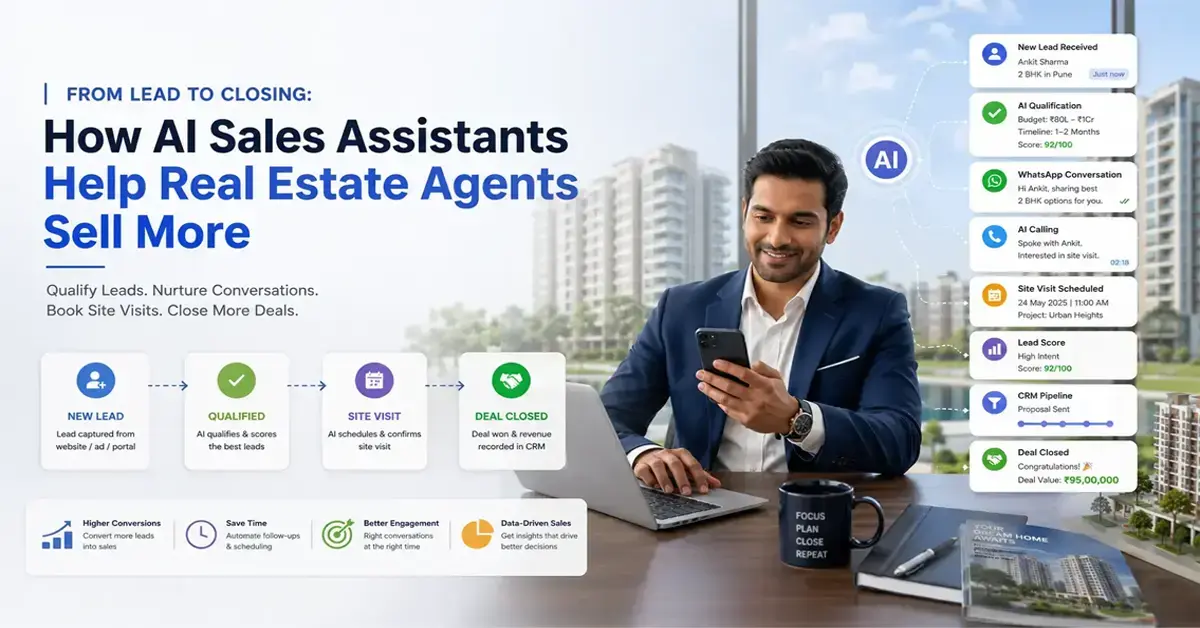
For example, real estate builders use WhatsApp automation real estate lead generation to qualify property buyers. They also use AI voice bots real estate lead generation to call thousands of prospects.
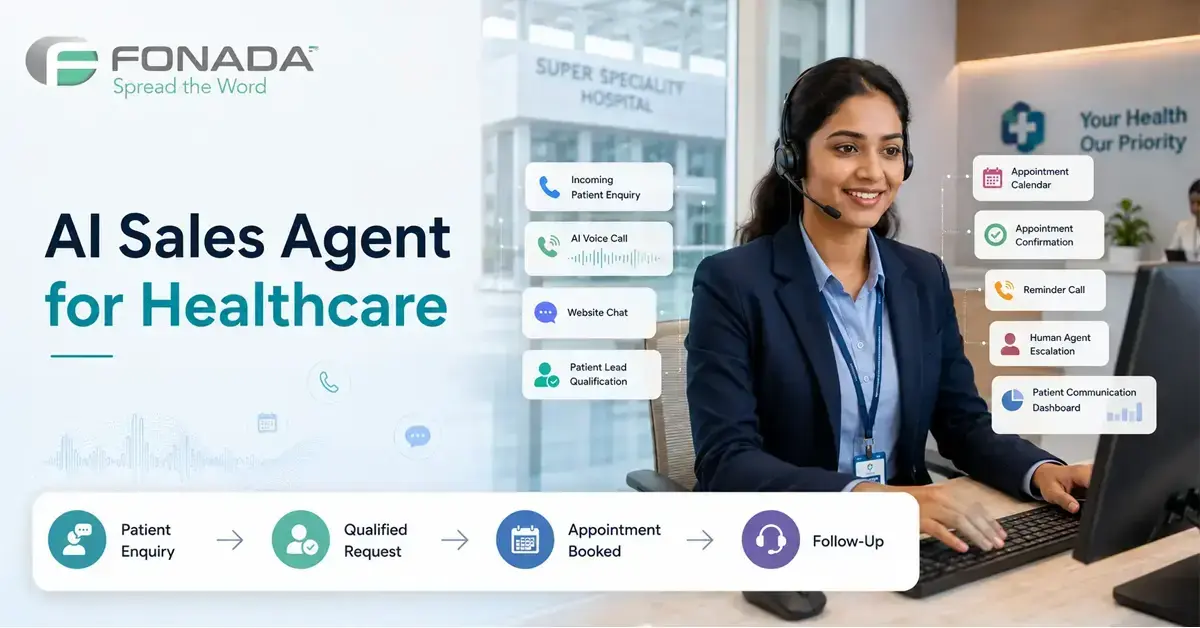
Hospitals and clinics use healthcare patient engagement with sms ivr to remind patients about appointments. Retail stores use WhatsApp chatbot for retail increase customer engagement to bring foot traffic into their physical shops.
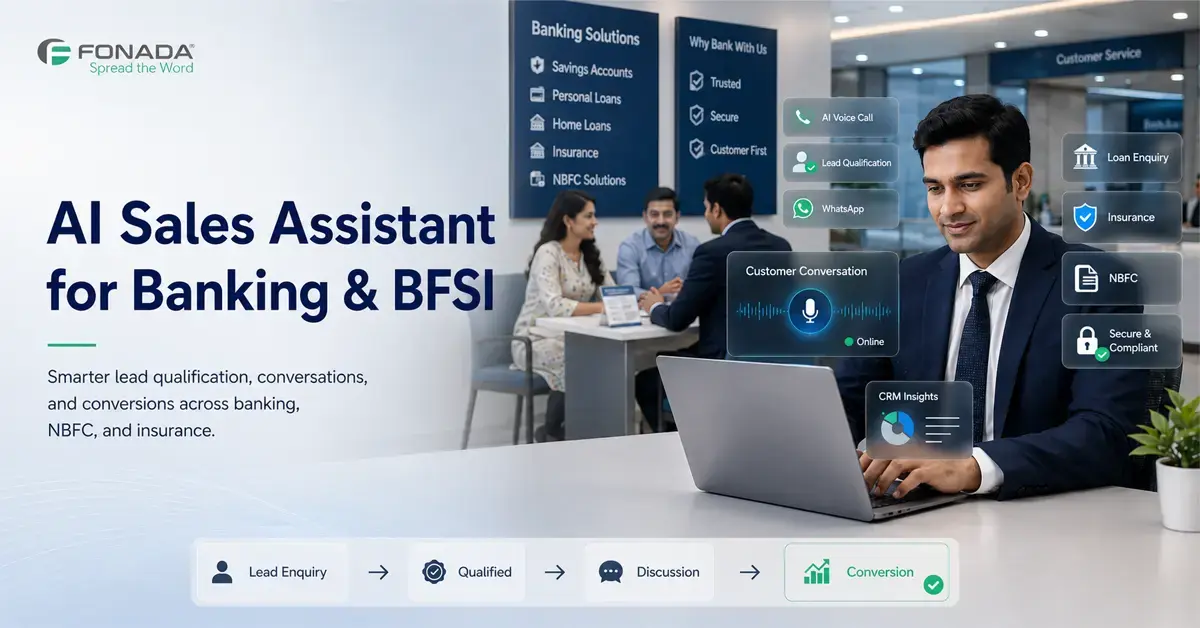
Even the automobile sector relies on WhatsApp Business for automobile industry to schedule car servicing. Banks use a WhatsApp chatbot for banking to show account balances securely.
The core technology of reaching people instantly is universal. This is exactly what is business communication today. It is fast, automated, and driven by smart software.
Future of AI Automation in E-commerce Logistics
The future is very bright for sellers who adapt to new technology. We are moving away from manual work. We are entering an era of intelligent systems. Soon, every Shopify and WooCommerce store will use an AI chatbot for Shopify or a WhatsApp bot for WooCommerce as standard practice.
We are also seeing the rise of voice bots. You might soon see AI call center voice bots replacing traditional call centers entirely. Imagine an AI voice calling the customer in their local language to confirm an order. The results are amazing. Some companies report a massive boost in sales with AI voice bot technology.
For those who want extra security, number masking ensures privacy between buyers and delivery agents. Tools like click to call make it easy for customers to reach you instantly. You can easily buy virtual number services to look professional. Combining these with call center IVR and FonaDial auto dial software gives you a complete powerhouse.
We will also see new messaging formats like RCS backed by SMS bringing richer experiences to mobile phones natively. The tools are ready. The SMS solutions and IVR software startups SMEs rely on are cheaper and better than ever.
How to Get Started with Fonada
If you are ready to take control of your deliveries and stop losing money on returned packages, it is time to upgrade your system. You need the best AI tools for ecommerce automation. You need a trusted WhatsApp business automation partner.
Fonada is a leading platform that provides all the tools you need to build your ecommerce CRM automation. Whether you need an AI customer support ecommerce system or a dedicated WhatsApp API, Fonada has you covered. Do not let another fake COD order drain your bank account. Take action today and see the magic of automation.
You can easily request a demo with the team to see exactly how these bots can plug into your store and start saving you money from day one.
Explore more solutions on the Fonada website here: 👉 Fonada
Get in touch with us:
👉 Contact us: https://bit.ly/47OjrVH
👉 WhatsApp: https://wa.me/7479574795?text=
👉 Subscribe on LinkedIn: https://bit.ly/4pPuQL8
👉 Subscribe A DEMO: https://calendly.com/connect-fonada/30min
FAQs
RTO is high mostly because of fake cash on delivery (COD) orders, incomplete shipping addresses, and customers changing their minds or not being available when the delivery agent arrives.
WhatsApp reduces RTO by automating order verification and sending real-time delivery alerts. A bot instantly messages the buyer to confirm their COD order and address, filtering out fake buyers before the item is shipped.
When a customer places a COD order, the AI bot sends an automated message via WhatsApp asking them to click a YES or NO button. If the customer does not click YES, the order is cancelled, preventing a failed delivery.
It is the use of automated software to send messages, alerts, and replies to customers on WhatsApp without human effort. This includes order confirmations, shipping updates, and abandoned cart reminders.
The best way is to use a WhatsApp API to send mandatory verification links or buttons to the buyer. You can also offer a small discount via the chatbot to encourage the customer to prepay online via UPI.
Yes. By fixing incomplete addresses through chat and sending "out for delivery" reminders, chatbots ensure the customer is ready and available to receive the package, massively improving delivery success.
You can connect your e-commerce platform (like Shopify or WooCommerce) to a WhatsApp API provider like Fonada. You set up a rule that triggers a personalized confirmation template every time a new order is placed.
The best tools include WhatsApp Business APIs, conversational AI chatbots, automated IVR calling systems, and predictive shipping software that flags high-risk COD orders automatically.
Communicate with your customers. Verify their exact location using WhatsApp bots. Provide courier agents with proper landmarks. Allow customers to reschedule deliveries easily via chat if they are not at home.
RTO stands for Return to Origin. It happens when a package cannot be delivered to the customer and the courier company sends it back to the seller. This causes financial losses due to wasted shipping costs.
Share
.gif "Side Bar Gif")
Subscribe To Our Newsletter
Get updates and learn from the best
Sep 18, 2026
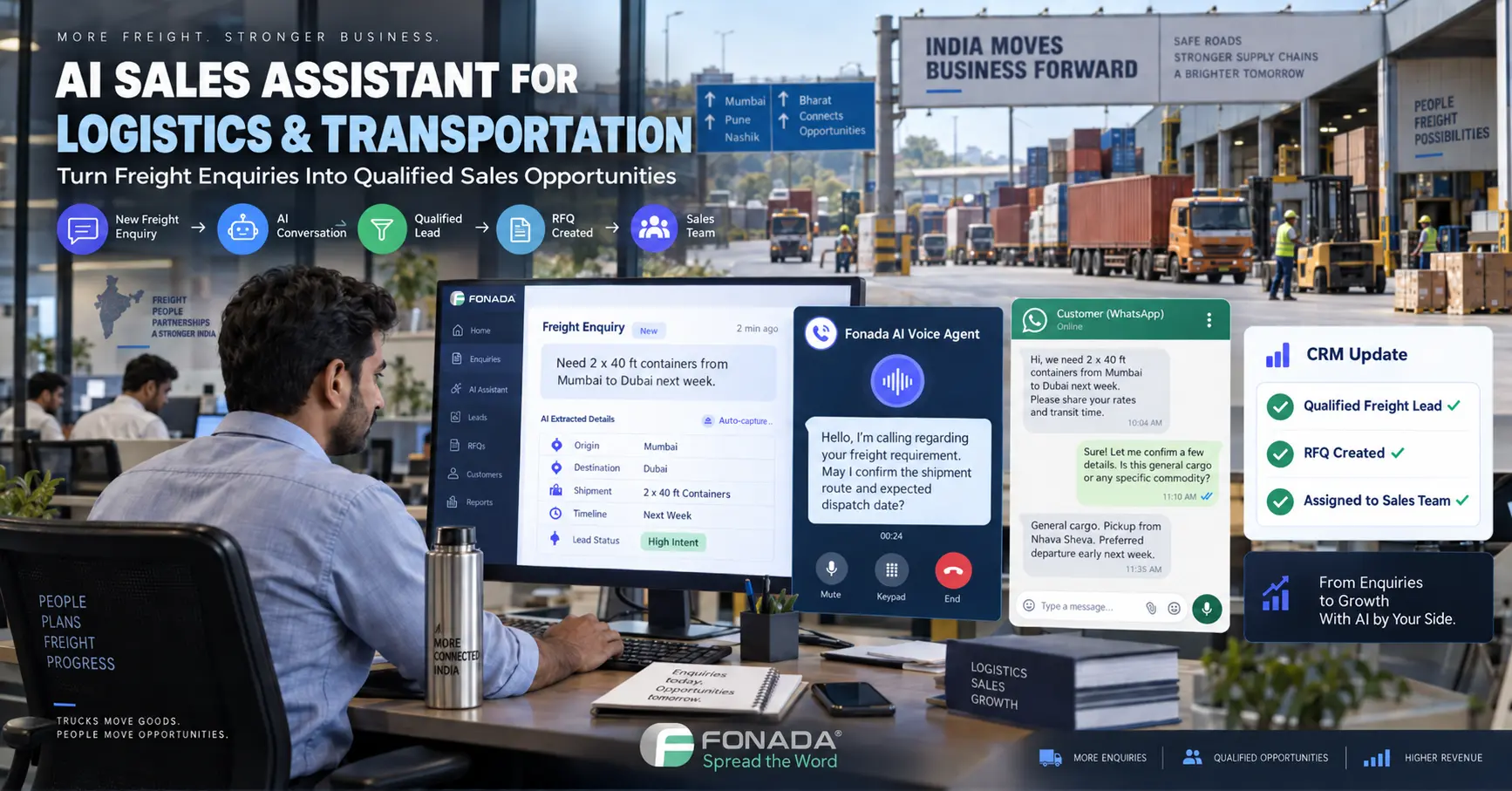
AI Sales Assistant for Logistics and Transportation
India’s logistics and transportation sector moves fast, but the sales process often does not.... Read More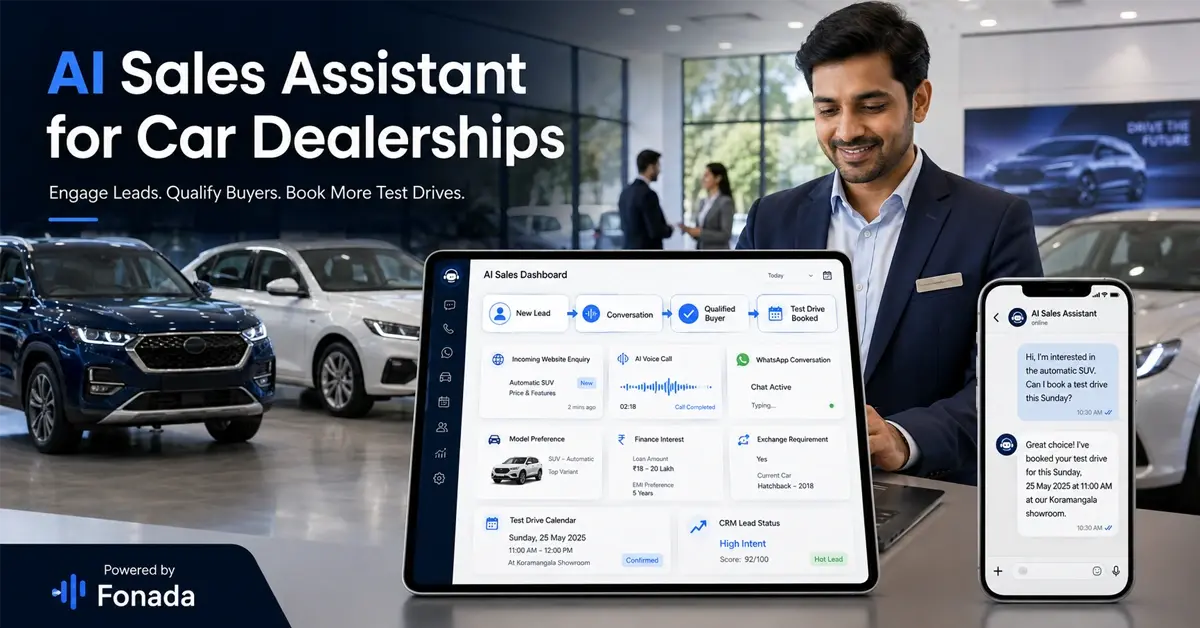
Sep 02, 2026
AI Sales Assistant for Car Dealerships: How AI Can Turn More Enquiries into Test Drives and Sales
Buying a car in India rarely starts at the showroom today. A customer... Read More
Sep 01, 2026
AI Sales Agent for Education: Convert More Enquiries
It is admission season. Your phone will not stop ringing. Your WhatsApp Business number has forty un... Read MoreLatest Updates
From Fonada
Industry Insights, Trends, Innovations, Updates, and Case Studies from Industry Experts
View
Customer
Reviews
Discover why our customers love us - read their authentic and heartfelt reviews!
View
Case
Studies
Explore real-life scenarios, offering analysis, and solutions to practical challenges
View
Convert Leads Into Sales With Fonada
Trusted CPaaS Solution Provider